



Understanding the Role of a Plumber
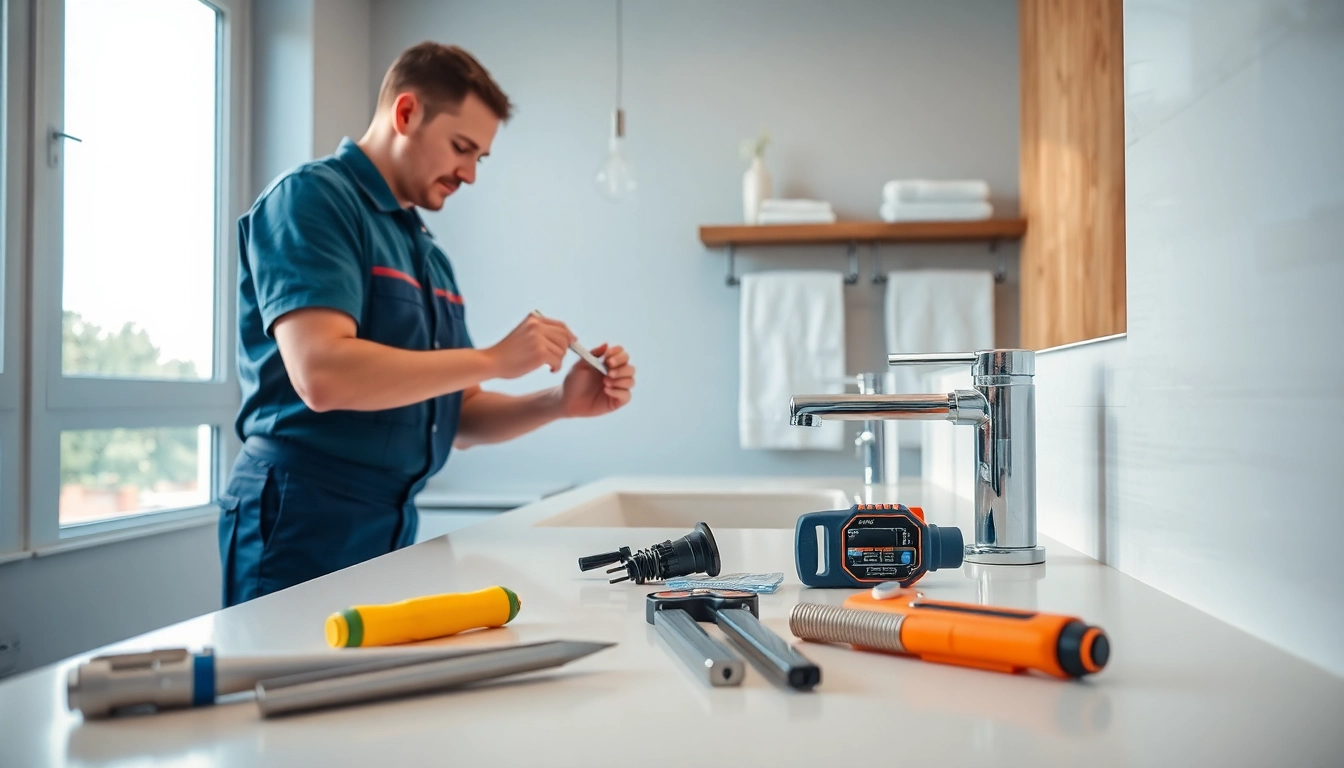
The role of a plumber is crucial in ensuring the proper functioning of water systems within our homes and businesses. A trained and licensed plumber handles various tasks related to installation, maintenance, and repair of plumbing systems, which includes everything from pipes and fixtures to water heaters and sewage systems. Their expertise not only guarantees reliable water flow but also plays a significant role in preventing water-related damage and health hazards.
What Does a Plumber Do?
Plumbers are responsible for a variety of essential tasks, including:
- Installing, repairing, and maintaining water supply systems and waste disposal systems.
- Fixing leaks, installing fixtures like sinks and toilets, and repairing or replacing damaged pipes.
- Performing inspections and diagnostics to assess plumbing issues.
- Providing advice on plumbing system renovations and upgrades.
- Ensuring compliance with local building codes and regulations.
Key Skills and Qualifications
The expertise of a plumber stems from a combination of technical skills, experience, and proper training. Key qualifications encompass:
- Formal education through vocational schools or apprenticeships that provide hands-on training.
- Licensure, which varies by state and typically requires passing a certification exam.
- Problem-solving skills to diagnose issues effectively.
- Strong communication skills to explain issues and advise homeowners on solutions.
- Physical stamina and manual dexterity, as the job often requires lifting heavy materials and working in confined spaces.
Types of Plumbing Services Offered
Plumbing covers a wide range of services, including:
- Residential plumbing for homes, including installations and repairs.
- Commercial plumbing that caters to businesses and larger establishments.
- Emergency plumbing services for urgent issues requiring immediate attention.
- Preventative maintenance services to avert potential plumbing problems.
- Specialized services, such as water treatment, gas line installation, and sewer line repair.
How to Identify the Right Plumber for Your Needs
Choosing the right plumber is essential to ensure quality work and avoid future problems. Here are several strategies to help you find the best professional suited to your needs.
Researching Potential Plumbers
Start by gathering a list of local plumbers through online searches, recommendations from friends and family, or community boards. Check online directories and review sites for ratings and feedback. A reliable plumber should have a strong online presence, with consistent feedback from their clients.
Evaluating Experience and Reviews
When considering a plumber, prioritize those with extensive experience in the field, particularly with tasks similar to yours. Reviews and testimonials can provide insight into their work ethic, reliability, and professionalism. Look for plumbers who respond positively to feedback and demonstrate commitment to customer satisfaction.
Questions to Ask Your Prospective Plumber
Open communication with potential plumbers is vital. Here are essential questions to ask:
- What is your experience with the specific service I need?
- Are you licensed and insured?
- Can you provide references from previous clients?
- What is your estimated timeline for the project?
- How do you handle unforeseen complications during a job?
Cost Considerations When Hiring a Plumber
Understanding the costs associated with plumbing services can help you make informed decisions and budget effectively. Here’s what to consider.
Understanding Pricing Structures
Plumbers typically operate on one of the following pricing structures:
- Hourly Rates: Many plumbers charge based on the time spent on the job.
- Flat Rates: For common tasks, they might offer a fixed price.
- Service Fees: Some charge an initial fee for diagnostics, which may or may not apply to the final billing.
Factors That Affect Plumbing Costs
Multiple variables can influence the cost of plumbing work:
- The nature and scope of the plumbing issue.
- The emergency aspect of the service – urgent calls typically incur higher fees.
- Location factors, such as accessibility and local labor rates.
- Materials required for repairs or installations.
Getting Quotes and Estimates
It’s prudent to obtain estimates from multiple plumbers. Request written quotes detailing labor and materials. This transparency will help you compare services and prices, ensuring you select the best value for your needs.
Common Plumbing Issues and Solutions
Understanding common plumbing problems can help you recognize when professional assistance is needed.
Identifying Frequent Plumbing Problems
Some of the most common plumbing issues include:
- Dripping faucets and running toilets.
- Clogged drains and sewer backups.
- Pipes that burst during extreme weather conditions.
- Low water pressure or inconsistent temperature from faucets and showers.
- Water heater failures or leaks.
DIY vs Professional Plumbing Repairs
While some minor plumbing issues can be handled via DIY methods, there are situations where professional expertise is critical. DIY can be cost-saving, but it can also lead to more significant issues if not done correctly. Evaluate your comfort level, the complexity of the problem, and your ability to tackle potential complications before proceeding with DIY fixes.
When to Call a Plumber
Don’t hesitate to contact a plumber when faced with issues such as:
- Complicated repairs involving pipes and fixtures.
- Persistent clogs that resist clearing.
- Unexplained water damage or leaks.
- Need for installations or significant adjustments to your plumbing system.
The Importance of Regular Plumbing Maintenance
Regular maintenance helps extend the life of your plumbing system and prevent costly repairs. Here’s why it’s essential.
Benefits of Scheduled Maintenance
Regular plumbing maintenance can provide several advantages:
- Prolonging the lifespan of fixtures and pipes.
- Reducing the likelihood of emergency repairs.
- Improving water efficiency and reducing utility bills.
- Enhancing the overall safety and hygiene of your water systems.
Signs Your Plumbing Needs Attention
Be vigilant for signs indicating possible plumbing issues:
- Unexplained increases in your water bill.
- Visible leaks or water stains on walls or ceilings.
- Gurgling sounds from drains or toilets.
- Odd odors suggesting sewage concerns.
Establishing a Maintenance Routine
Creating a routine can help you ensure your plumbing remains in good condition:
- Schedule annual inspections with a plumber.
- Perform regular checks for leaks and water pressure.
- Clear clogs proactively, using safe methods.
- Be proactive with repairs, adhering to recommended guidelines.
FAQs About Hiring a Plumber
How do I know if my plumber is licensed?
Ask to see their licensing documentation. Most professionals can provide proof of certification and licenses upon request.
What is the average cost of hiring a plumber?
Costs vary widely based on location and service required, but expect hourly rates to range from $45 to $200 or more for specialized tasks.
Can I fix a clogged drain myself?
Yes, many clogs can be fixed using plungers or drain cleaners. If the problem persists, it’s best to consult a professional to avoid damage.
How often should plumbing systems be checked?
Regular inspections are recommended annually to ensure everything is functioning effectively and to catch issues early.
What can I do to prevent plumbing problems?
Proper maintenance, regular inspections, avoiding flushing non-degradable items, and being attentive to unusual changes can help prevent plumbing issues.