Understanding the Role of a Plumber
What Does a Plumber Do?
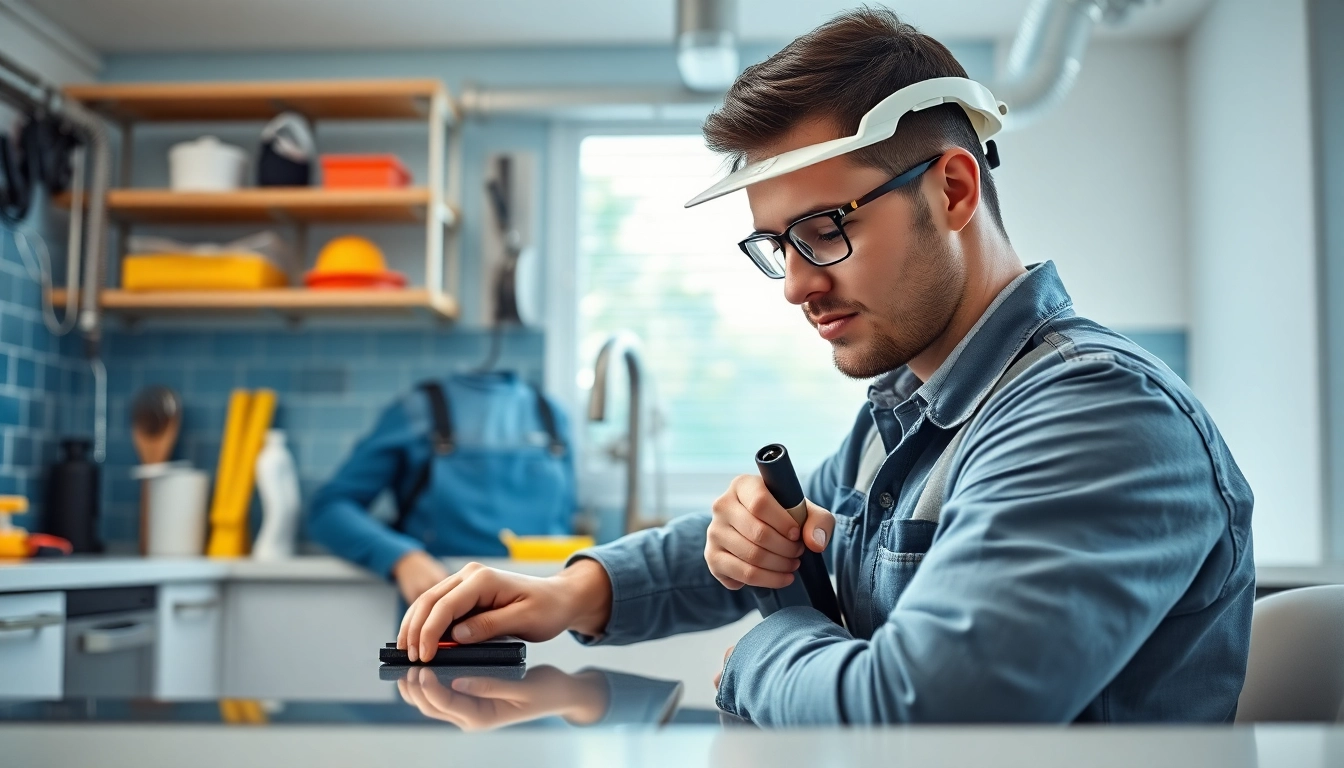
The role of a plumber encompasses a wide range of responsibilities centered around the installation, repair, and maintenance of various plumbing systems. These systems include pipes, fixtures, and appliances that facilitate water distribution and waste management. A plumber's duties can vary significantly based on the environment they work in—be it residential, commercial, or industrial. In residential settings, plumbers may address issues like leaky faucets, clogged drains, and water heater malfunctions, while in commercial settings, they may deal with larger systems involving multiple units and extensive networks of pipes.
Key Skills Required for Plumbing
To excel in the plumbing profession, one needs a combination of technical skills and soft skills. Here are some essential abilities:
- Technical Knowledge: Understanding plumbing systems, codes, and regulations is paramount.
- Problem-Solving Skills: Plumbers often face unexpected challenges; quick and effective problem-solving is crucial.
- Attention to Detail: Precision is essential to avoid costly mistakes and ensure systems operate correctly.
- Physical Stamina: The job often involves manual labor, requiring condition and strength.
- Customer Service Skills: Engaging with clients professionally and respectfully can impact business reputation positively.
Common Tools Used by Plumbers
Plumbers utilize specialized tools to carry out their work efficiently. Familiarity with these tools enhances their ability to install and repair systems effectively. Common tools include:
- Wrenches: Essential for gripping and turning pipes.
- Pipe Cutters: Used for cutting pipes to specific lengths.
- Augers: Effective for clearing clogs in pipes.
- Plumbing Snakes: Flexible tools used to reach and clear blockages deeper in the pipes.
- Sealants and Adhesives: Vital for ensuring tight seals in joints and fixtures.
Best Practices for Plumbing Installations
Planning and Preparation Tips
Effective plumbing installations begin with meticulous planning. Here are some tips to ensure a successful plumbing setup:
- Assess Needs: Determine the specific requirements for the plumbing system being installed.
- Blueprints and Diagrams: Create detailed plans to visualize pipe layouts and connections.
- Consult Codes: Familiarize yourself with local plumbing codes to ensure compliance.
- Budgeting: Set a realistic budget that encompasses materials and labor.
Choosing Quality Materials
The quality of materials used can significantly impact the longevity and effectiveness of plumbing systems. Consider the following when selecting materials:
- Durability: Opt for materials that withstand wear, such as PVC, copper, or PEX.
- Compatibility: Ensure materials will work well together within the system.
- Local Regulations: Adhere to local codes regarding material usage.
- Warranty: Choose materials with warranties for added security against defects.
Essential Techniques for Professional Results
Employing proven techniques can yield high-quality results in plumbing installations. Essential methods include:
- Proper Slope for Drainage: Maintain appropriate angles for drainage pipes to facilitate water flow.
- Secure Connections: Ensure that all joints are tightly secured to prevent leaks.
- Pressure Testing: Test systems for leaks using air or water pressure before concealing pipes.
- Regular Clean-Up: Maintain a clean work area to avoid accidents and ensure quality work.
Plumbing Maintenance Tips for Homeowners
Common Issues to Watch For
Homeowners should be aware of common plumbing problems that can arise. Recognizing these issues early can prevent more significant troubles down the line:
- Leaky Faucets: Small drips can waste significant water over time.
- Clogged Drains: These can lead to slow drainage and potential backups.
- Running Toilets: This can waste gallons of water each day.
- Poor Water Pressure: This may signify clogs, leaks, or issues with fixtures.
Preventative Maintenance Strategies
Regular maintenance can extend the life of plumbing systems and avoid costly repairs. Consider implementing these strategies:
- Regular Inspections: Schedule routine checks of all plumbing systems.
- Drain Cleaning: Use enzymatic cleaners monthly to prevent build-up in drains.
- Winterizing: In colder climates, prepare pipes for freezing temperatures.
- Educate Household Members: Ensure everyone knows how to use plumbing fixtures properly.
When to Call a Professional Plumber
Understanding when to call a professional can save time and money. Contact a licensed plumber when you encounter:
- Severe Leaks: Large leaks can cause extensive damage and mold growth.
- Multiple Clogs: If multiple fixtures clog at once, professional intervention is needed.
- Unusual Noises: Banging or gurgling sounds can indicate severe issues.
- Unknown Problems: If you’re unsure of the source of an issue, don’t attempt repairs without a professional assessment.
Advanced Plumbing Techniques
Understanding Complex Systems
Advanced plumbing systems require specialized knowledge and skills to navigate their complexities. This includes understanding:
- Hydronic Heating Systems: Utilizing water or steam for heating requires precise installation and maintenance.
- Multi-Story Systems: These systems require careful planning regarding pressure management and flow rates.
- Specialty Appliances: Installation and maintenance of dishwashers, garbage disposals, and washing machines often need advanced knowledge.
- Backflow Prevention: Understanding and implementing devices that prevent contamination from returning into the water supply.
Innovative Plumbing Solutions
In recent years, plumbing has seen numerous innovations that improve efficiency and sustainability. Notable advancements include:
- Tankless Water Heaters: Heating water on demand reduces energy costs and space usage.
- Water-Saving Fixtures: Low-flow toilets and faucets can significantly reduce water consumption.
- Smart Plumbing Technology: Devices that monitor water usage, detect leaks, and automatically adjust heating can enhance home efficiency.
- Rainwater Harvesting: Systems designed to collect and reuse rainwater for irrigation and non-potable uses.
Working with Modern Technologies
As technology evolves, so too do plumbing techniques. Plumbers must continuously update their skills to incorporate new tools and software effectively. Important technology trends include:
- 3D Plumbing Layout Tools: These can enhance the planning process and visualize complex systems before installation.
- Video Inspection Tools: Cameras designed to explore pipes can help diagnose issues without excavation.
- Mobile Apps: Applications for scheduling maintenance and managing plumbing systems can enhance customer service and efficiency.
- Virtual Reality Training: Emerging training technologies help new plumbers acquire skills in immersive environments.
FAQs About Plumbing Services
What is the average cost of hiring a plumber?
The average cost varies based on the job complexity and location, typically ranging from $45 to $150 per hour plus materials.
How often should I have my plumbing checked?
It’s advisable to have your plumbing inspected every 1 to 2 years to catch issues early and maintain system efficiency.
Can I perform plumbing repairs myself?
While small repairs and maintenance can be self-managed, it's better to consult a licensed plumber for complex issues to ensure proper handling.
What are the signs of a plumbing emergency?
Signs include severe leaks, burst pipes, overflowing toilets, or water pooling around fixtures, which require immediate professional attention.
How can I prevent plumbing issues in my home?
Regular maintenance, proper disposal of waste, and monitoring water pressure can prevent many plumbing issues and extend system longevity.